Guide
How to Choose a Renovation Contractor in Singapore: 12 Checks Before You Sign
A practical, Singapore-specific checklist for choosing a renovation contractor, covering HDB's DRC, CaseTrust, quotations, payment schedules, contracts and red flags.
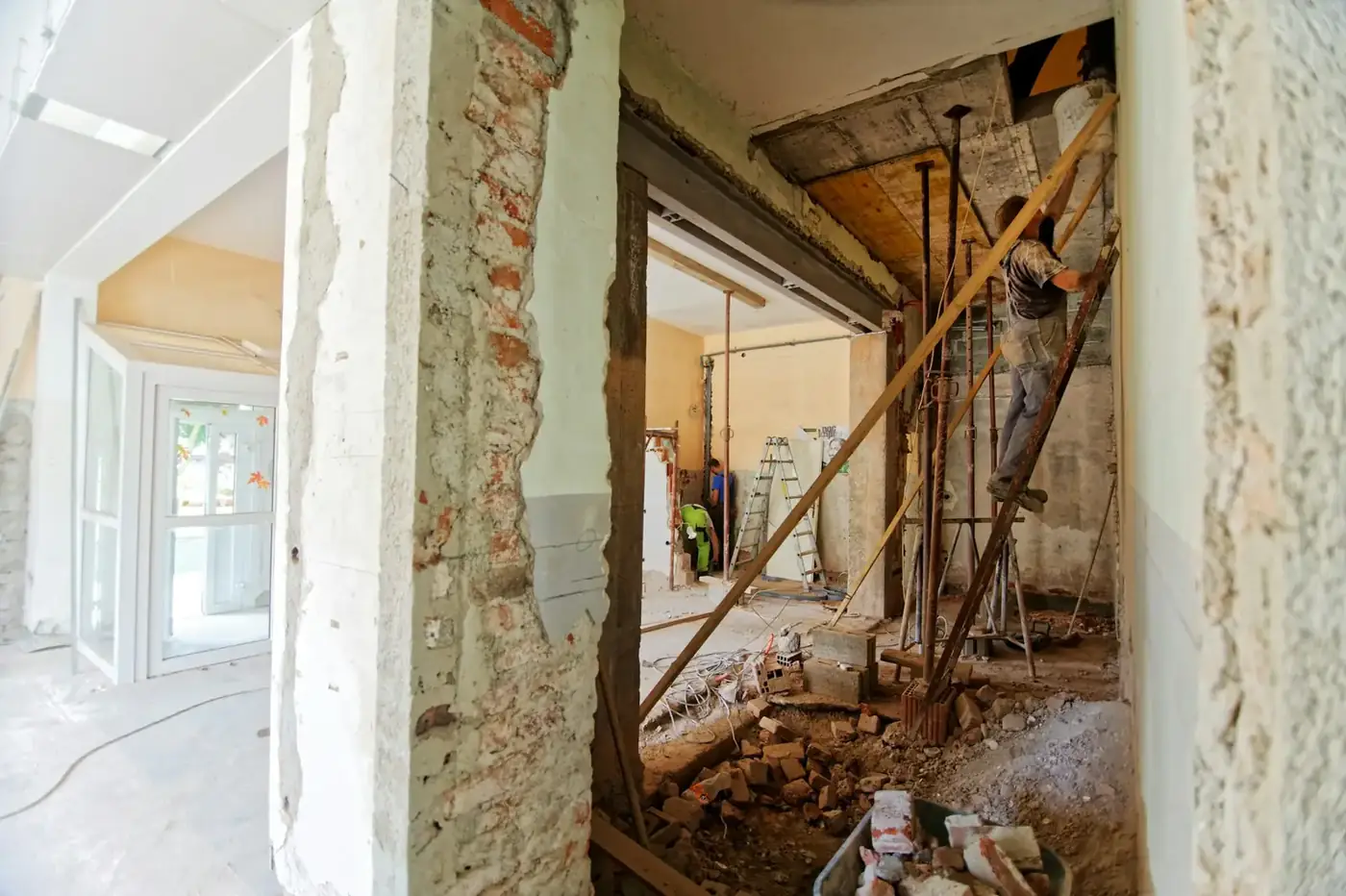
Choosing a renovation contractor is the decision that shapes everything else about your renovation: the final cost, the timeline, the quality of the finishes and how stressful the next two or three months will be. Most renovation horror stories in Singapore share the same root causes: a contractor chosen on price alone, a vague quotation, or a large deposit paid before any work began.
The good news is that most of these problems are avoidable. Here are the twelve checks we recommend before you sign anything.
Quick answer: shortlist three to five contractors, confirm they are listed on HDB’s Directory of Renovation Contractors (for HDB flats), compare itemised quotations line by line, never pay a large upfront deposit, and get the timeline, payment schedule and warranty written into the contract.
1. Confirm HDB registration (for HDB flats)
If you live in an HDB flat, the contractor carrying out your renovation must be listed in HDB’s Directory of Renovation Contractors (DRC). This is not optional. DRC-listed contractors are expected to know HDB’s renovation rules, apply for the necessary permits and follow the guidelines on working hours and permitted works.
You can check the directory on the HDB website. If a contractor tells you registration “doesn’t matter”, treat that as a serious warning sign.
2. Look for consumer protection accreditation
DRC listing tells you a contractor is permitted to work in HDB flats. It does not, by itself, tell you much about their customer service record. Two trust marks commonly used by Singapore homeowners are:
- CaseTrust accreditation, administered by the Consumers Association of Singapore (CASE). Accredited firms commit to fair trading practices and, for renovation, typically to protecting customer deposits.
- RenoTrust, the accreditation scheme run by the Renovation and Decoration Advisory Centre (RADAC), which offers mediation if disputes arise.
Neither guarantees a flawless project, but both give you recourse if something goes wrong.
3. Decide: contractor or interior designer?
Before you compare firms, be clear about what you need.
| Renovation contractor | Interior designer | |
|---|---|---|
| Main strength | Execution of works | Design, space planning and project management |
| Best for | Clear scope, simple design, tighter budgets | Full makeovers, complex layouts, custom carpentry |
| Typical cost | Usually lower overall | Usually higher, design effort is built in |
| Your involvement | Higher: you make most design decisions | Lower: designer coordinates choices and trades |
Many Singapore firms blur the line and offer both. What matters is that you know who is responsible for design decisions and who manages the site day to day. If you want design help, see our shortlist of interior designers in Singapore.
4. Shortlist three to five firms
Fewer than three makes comparison difficult. More than five usually means you spend weeks in meetings and lose track of who said what. Build your shortlist from a mix of sources: recommendations from friends who recently renovated, our renovation contractor rankings, and firms whose completed projects you have actually seen.
5. Look at completed work, not renders
3D renders show what a designer can draw. Completed projects show what a contractor can build. Ask to see photos of finished homes similar to yours, ideally with close-ups of carpentry joints, tile alignment and silicone lines. If possible, ask whether you can speak to a past client.
6. Insist on an itemised quotation
A trustworthy quotation lists every item separately with:
- Description of the work
- Material, brand and model (for example the laminate series or tile size)
- Quantity and unit (square feet, foot run, number of points)
- Unit price and total
Lump sums like “Kitchen works: $12,000” make it impossible to compare quotes or to know what you are actually getting. They are also where most variation disputes start.
7. Compare quotes line by line, not just the total
The cheapest total is often cheapest because something is missing. When comparing quotations, line them up and check for:
- Hacking and disposal charges
- Electrical points and rewiring
- Plumbing and sanitary fittings (and whether fittings are supplied or excluded)
- Haulage, protection of common areas and final cleaning
- Permit fees
Once you normalise the scope, the gap between quotes usually narrows considerably.
8. Agree a fair payment schedule
This is the single most important protection you have. A common, homeowner-friendly structure ties payments to completed milestones, for example:
| Stage | Typical share |
|---|---|
| Contract signing (deposit) | 10% or less |
| Start of works / hacking and masonry complete | 30 to 40% |
| Carpentry installed | 30 to 40% |
| Handover and defects rectified | 10 to 20% |
Be very cautious of any contractor who asks for 50% or more upfront. If the firm runs into financial trouble, an upfront payment is the hardest money to recover.
9. Get the timeline in writing
Your contract should state the start date, key milestones and the expected completion date. As a rough guide, many BTO renovations take six to ten weeks, while resale renovations with hacking and rewiring commonly take eight to fourteen weeks. Ask what happens if the project overruns.
10. Understand variation orders
A variation order (VO) is any change to the agreed scope that adds or removes cost. Some changes are inevitable once walls are opened. What matters is the process: every VO should be priced and approved by you in writing before the work is done. Avoid verbal agreements on site.
11. Check warranty and defects liability
Ask what is covered after handover and for how long. Common items include carpentry (hinges, drawer runners, laminate), waterproofing and electrical work. A defects liability period, during which the contractor must return to fix issues, should be written into the contract.
12. Know the HDB rules that affect your plans
Some of the most common renovation disappointments come from plans that HDB rules do not allow. A few worth knowing:
- Certain works, such as hacking walls or replacing windows, need an HDB permit, which your DRC contractor applies for.
- In new HDB flats, there are restrictions on replacing the original bathroom floor finishes within the first three years, to protect the waterproofing.
- Window works must be done by a BCA Approved Window Contractor. See our window contractor rankings.
- Noisy works are restricted to specific weekday hours, and works are not allowed on Sundays and public holidays.
Rules change, so always check the latest guidance on the HDB website before finalising your design.
Red flags to walk away from
- Pressure to sign on the spot to “lock in” a promotion
- Requests for a large cash deposit
- Quotations with lump sums and no brands or quantities
- Reluctance to show completed projects or provide references
- Claims that HDB permits or DRC listing are unnecessary
The bottom line
A good contractor is not necessarily the cheapest or the one with the slickest renders. It is the one who is properly registered, explains the scope clearly, puts everything in writing and structures payments so that you only pay for work that has been done. Take your time with the shortlist and the contract, and the renovation itself becomes far less stressful.
Ready to compare? Start with our shortlist of the best HDB renovation contractors in Singapore, or read our HDB renovation cost guide to set a realistic budget first.
Need a trusted provider?
Browse our Top 10 lists of Singapore's best companies.